Liquid Booster

On Order

Technical Specifications

Control and Protocols

Protocols

DMX-512, RDM, ArtNet, sACN, proTEC

DMX channels

3

Control mode

Free

Connection

Power

Neutrik powerCON TRUE1 In/Out

Signal

XLR 5-pin, XLR 3-pin, etherCON A/B

Fuel

TBF CBC 005-VR017 (Clean-Break)

Construction

Material

Stainless steel, powder coating, aluminum

Protection

IP41 / IP44 (with cover)

Display

Color touchscreen, built-in web server

Power supply

Voltage

100–240 V, 50–60 Hz

Power

up to 350.4 W

Mounting and installation

Mounting

Truss / floor, 3 plates, M10 thread

Orientation

Vertical / suspended / horizontal

Suction

up to 10 m

Pump

Delivery height

up to 40 m

Fuel

Alcohols, Isopar, diesel, gasoline

Dimensions and weight

Dimensions (H×W×D)

285 × 460 × 445 mm

Weight

18.5 kg

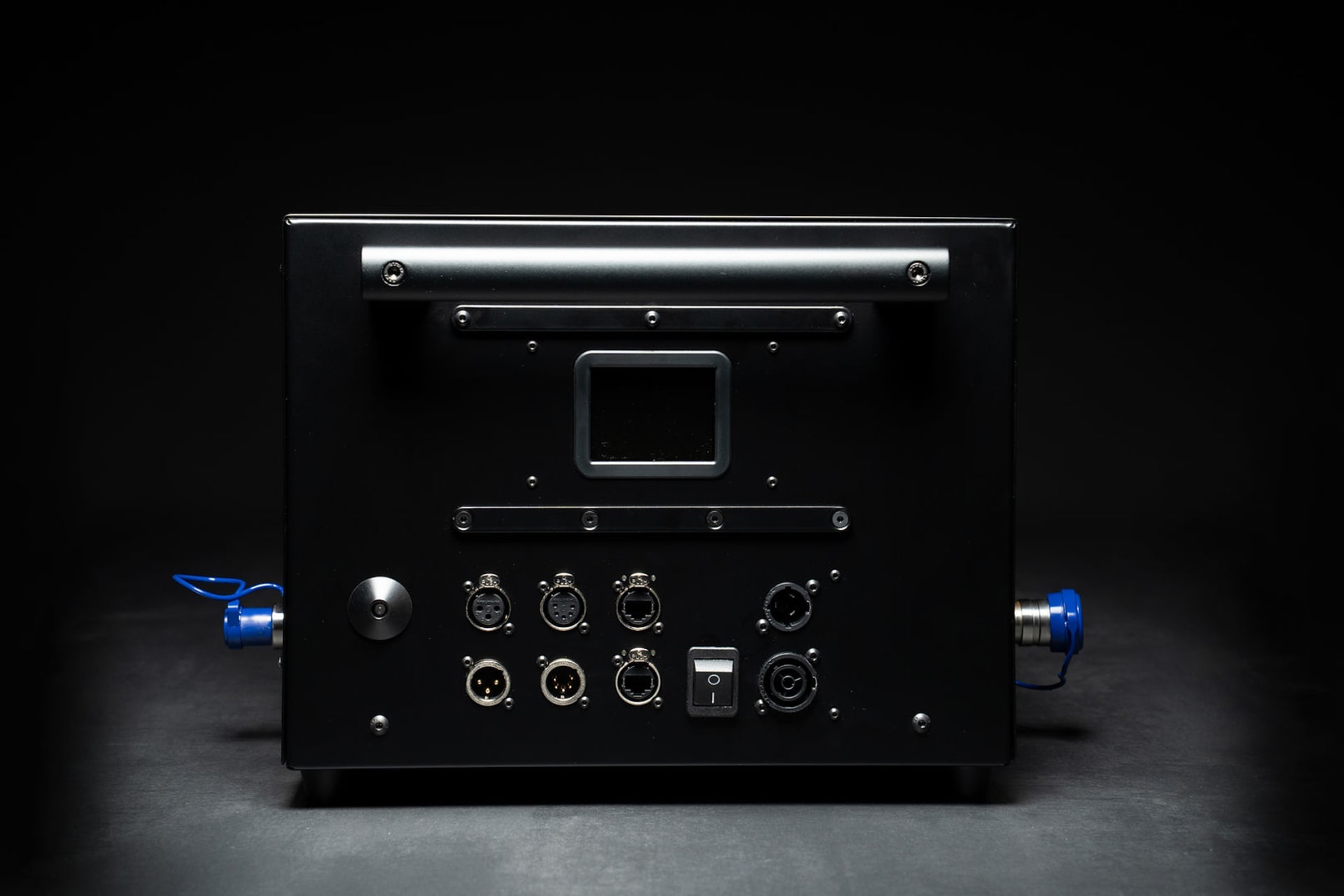
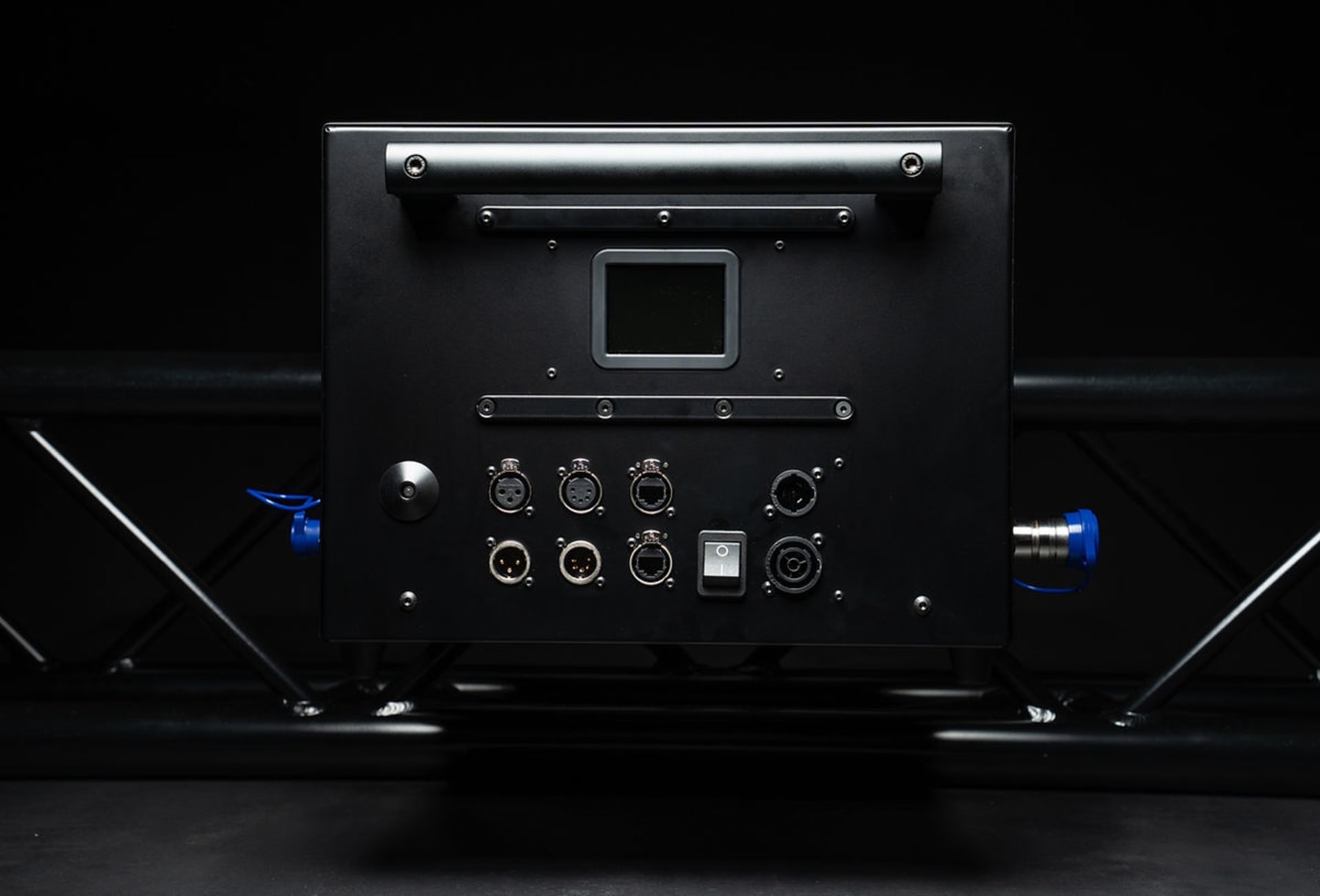
The Liquid Booster is an auxiliary pump module designed to work with the Magna Fluvia Flame system in situations where fuel needs to be delivered over long distances or to great heights. The device increases the suction height from 10 to 50 meters, ensuring a stable fuel supply even in complex installations. A single Liquid Booster can simultaneously serve up to four Magna Fluvia Flame units, evenly distributing fuel among them. This ensures stable system operation even with elevation differences or complex stage configurations. The housing is made of stainless steel and designed for intensive touring use. Thanks to universal mounts, the device can be easily installed on a truss in various positions, and quick access to components allows for prompt maintenance without complex tools. Special TBF quick-release couplings for flammable liquids ensure a leak-free, sealed connection and enhance safety during operation. The built-in control system continuously monitors the fuel delivery process, maintaining stable and reliable operation. The Liquid Booster is fully integrated into the proTEC safety system. Control, configuration, and monitoring are performed via a touchscreen display, ensuring fast and convenient operation of the equipment in real-world stage conditions.